Pyrethroids Provide Protection Against Insects that Compromise Food Security & Endanger Public Health

FEATURED NEWS
Behind the Label: Understanding the Regulatory Safety Nets of Pesticides
October 20, 2026
Behind the Label: How Science and Regulation Keep Pesticides Safe Pesticides often get a bad rap, but few people realize the rigorous scientific reviews and regulatory safeguards behind every product. From mosquito control to crop protection, tools like pyrethroids are essential and safe when used properly. Learn how federal and state agencies work together to protect public health through one of the most tightly regulated systems in the country.
Why are Pyrethroids Important?
Pyrethroids have been used for over 70 years by governments, homeowners, farmers and commercial pest control operators. They are a class of synthetic insecticides designed to improve on the insecticidally active products found in Chrysanthemum plant powders known as pyrethrum. Pyrethroids have emerged as some of the most trusted, reliable and effective tools for combating pests that spread dangerous diseases and destroy crops.

Global Human Health
Pyrethroids are also critical for protecting human health from many infectious diseases carried by pests, including Lyme disease, Zika virus and West Nile virus. Pyrethroid impregnated mosquito nets have proved to be one of the most effective ways to reduce malaria transmission in areas of the world where the scourge is endemic.

Food Security
Pyrethroids provide a wide range of benefits to society by offering growers a proven way to control a broad spectrum of agricultural insect pests which reduce growth and yields of over 120 crops which provide food and fiber to millions of Americans and people around the world.

Animal Health
Veterinarians depend on pyrethroids for protecting livestock and horses from disease. Pet owners rely on them for preventing fleas and ticks from infecting from infecting their dogs.

Consumer Protection
Homes, Gardens + Restaurants: Pyrethroids are an important tool used by both consumers and professionals to control insects such as ants, bed bugs, cockroaches, spiders, and other nuisance pests in the home or outdoor garden/landscape. Professional pest control companies rely on this class of chemistry to keep residential, commercial, and food-service areas free from insect pests.
Pyrethroids Provide Protection Against Insects that
Compromise Food Security & Endanger Public Health
Pyrethroids are a group of insecticides that were designed to improve upon the insecticidally active natural compound found in Chrysanthemum plant powders, known as pyrethrum.
The Pyrethroids Resource Center is a place where you can find credible, science-based information about the pyrethroid class of pesticides and better inform yourself about their strict regulatory oversight, grounding in research and the many benefits associated with their use. This is one of several public education programs funded by the Pyrethroid Working Group (PWG).

News Articles
The following represents the latest information, news, trends and research involving pyrethroids. This and previous items are intended to underscore the important benefits of pyrethroids and respond to misinformation that often circulates online.
October 20, 2026
Behind the Label: Understanding the Regulatory Safety Nets of Pesticides
Behind the Label: How Science and Regulation Keep Pesticides Safe Pesticides often get a bad rap, but few people realize the rigorous scientific reviews and regulatory safeguards behind every product. From mosquito control to crop protection, tools like pyrethroids are essential and safe when used properly. Learn how federal and state agencies work together to protect public health through one of the most tightly regulated systems in the country.
Pyrethroids Staff

September 4, 2026
An Invasive Cockroach Is a Reminder of Why Pest-Control Tools Matter
Sacramento, California residents have an unwanted neighbor, and apparently it likes the region enough to stay.The Turkestan cockroach, an invasive species that has spread rapidly across the Sacramento region in recent years, is becoming an increasingly familiar and unwelcome sight around homes and neighborhoods.CBS Sacramento reported that pest-control companies are receiving a surge of calls about the insect. Once primarily an outdoor pest, Turkestan cockroaches are increasingly finding their way inside homes in search of water.
August 19, 2026
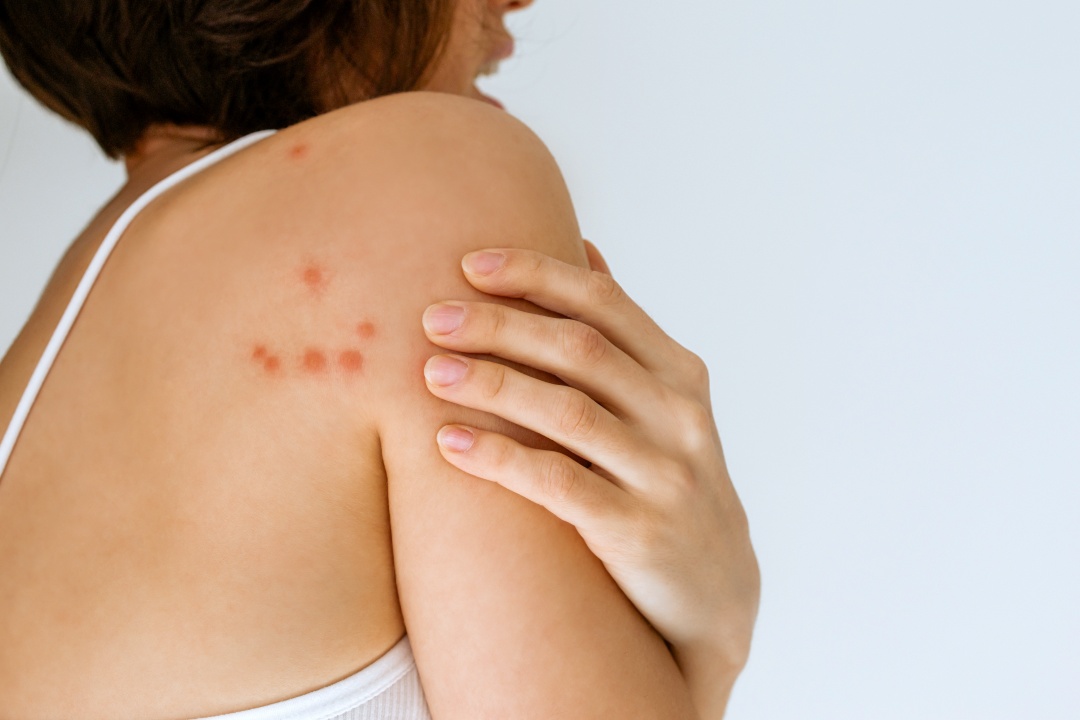
Bed Bugs Turn One-Night Hotel Stay Into Weeks of Misery
1-year-old Hannah Stephenson booked a room at the Travelodge on Newmarket Road on July 26 after spending an evening sightseeing and visiting pubs with friends. The following morning, she woke up with red, itchy lumps across her body and discovered blood spots on the bedding and bugs around the sleeping area.The reaction continued after she left the hotel. Stephenson said the bites spread to her face and her arms became swollen. Nearly two weeks later, she was still taking antihistamines, waking during the night because of itching and avoiding some social events because she felt self-conscious about her appearance.
